
Wired Differently
A Synthesis of Neurodivergent Variation, Environmental Injury, and Societal Influence within the Predictive Evolution Framework

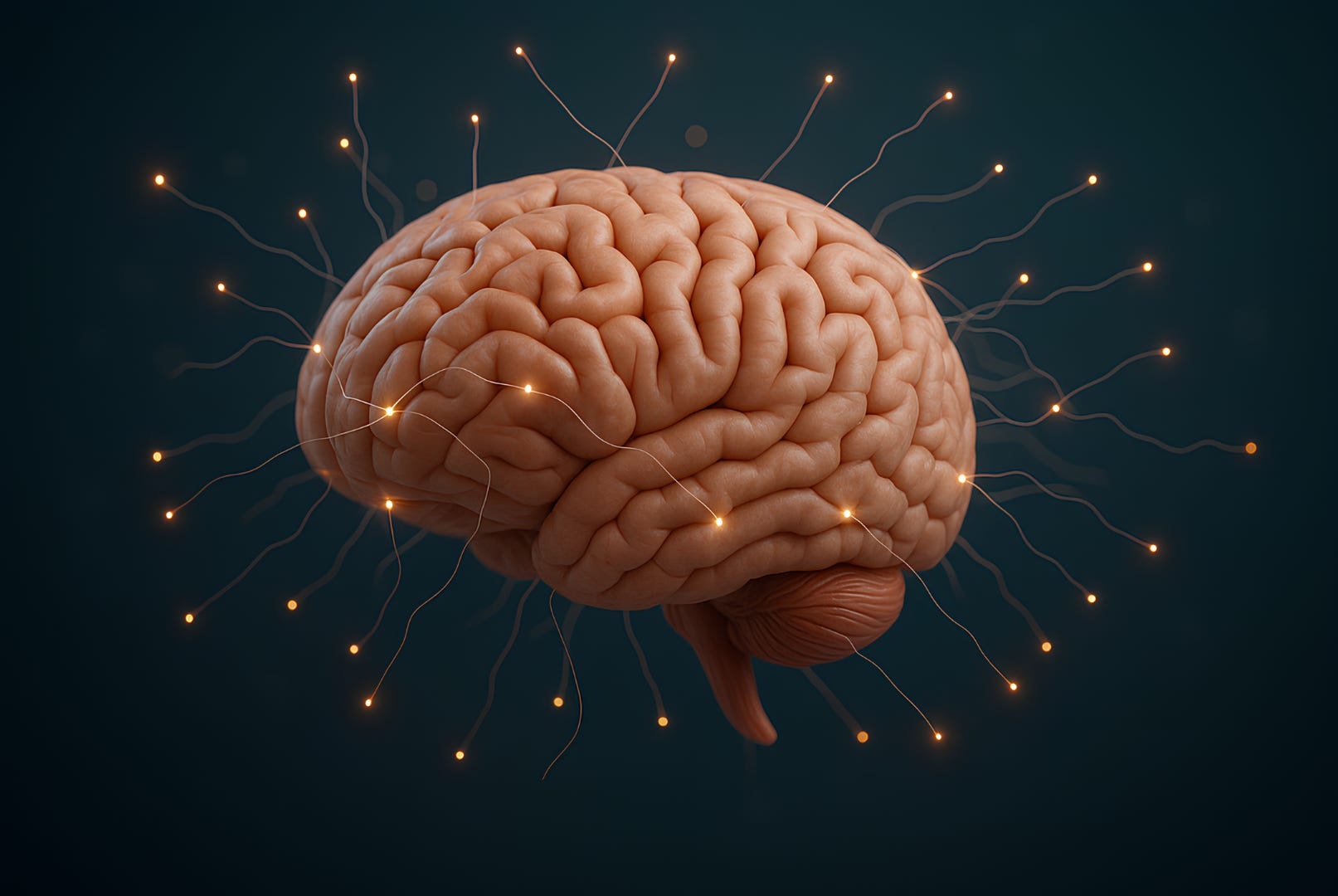
Neurodiversity, Injury, & PET
Human cognition expresses a remarkable spectrum of variation. From subtle differences in sensory perception and pattern recognition to the full range of autistic and other neurodivergent traits. Are most of these differences natural? The product of evolutionary pressures, developmental plasticity, and niche specialization. Do others emerge when environmental stressors interact with these natural variants?
In this discussion, I approach neurodivergence through a PET-inspired hybrid framework. One where Predictive Evolution Theory views all organisms, including humans, as predictive processors within an information field, constantly tuning to past experience, present signals, and future possibilities.
Variants are not just genetic. They are calibrated differently to the environment. This makes some more sensitive, more intuitive, or more attuned to hidden patterns. And also possibly more susceptible to neurological injury from toxins, stressors, and electromagnetic interference.
This framework pairs naturally with the concept of Dual Supersession (as proposed by my friend Denis Pelletier). This describes the ongoing alternation of complementary forces that is present here. Natural neurodivergent traits are emerging alongside the pressures of environmental and societal injuries. Each one shapes the other in a dynamic feedback loop.
Historically and presently, industries and institutions (especially in healthcare, urban planning, and media) have pathologized resistant thinking, dissent, and counteractive behaviour. From EMF pollution to chemical exposures, pharmaceuticals, and information manipulation, these forces can distort or suppress neurodivergent and neurotypical variants alike.
I approach this topic with compassion for all. Those whose minds are inherently neurodivergent, like my own. And those who have been injured by modern environmental stressors. I believe both realities exist. And I believe that both deserve attention. In this post, I explore how natural neurodivergent variables coexist with injury-modified variants. And how corporate and industrial forces have contributed, sometimes deliberately, sometimes unwittingly, to the challenges we now face.
“Ann Shearer’s book, Disability: Whose Handicap?, which made clear the role of prejudice and social exclusion in turning biologically-based individual differences into ‘personal tragedies’.” - Judy Singer, NeuroDiversity: The Birth of an Idea
The Discussion
Let’s start with a quick tour of the major frameworks people use to think about autism and other neurodivergent states. One camp treats these differences as natural, adaptive variation. Traits like autism, ADHD, and dyslexia sit inside the range of normal human diversity, shaped by genetics, population history, and evolutionary trade-offs.
From this view, some traits can offer niche advantages (intense focus, pattern recognition, technical creativity), and movements like neurodiversity (Judy Singer and others) push for accommodation and respect rather than treating everything as pathology.
Another line of thinking points to genetic history. Modern humans carry ancient variants, including some inherited from Neanderthals. And researchers are asking whether those archaic polymorphisms influence neurodevelopmental risk today.
Then there are injury and environmental-causal models that emphasize real, measurable prenatal and perinatal risk factors. Drugs taken during pregnancy, maternal infection or inflammation, air pollution, and other toxic exposures all have epidemiological and experimental evidence behind them.
That said, it’s important to distinguish between environmental risk theories that have gained empirical support and those that remain highly contested. The vaccine–autism hypothesis, for example, sits at the centre of this debate.
One side argues that extensive research has found no causal connection, while another maintains that certain findings or methodological gaps leave the question open. In this discussion, the focus will be on recognizing that both camps present their own sets of evidence, assumptions, and interpretations. Some are more robust than others.
Who argues for neurodivergence-as-natural? The neurodiversity advocates frame autism and related conditions as differences in cognitive style that deserve support and respect. Not just treatment. There are also evolutionary and psychiatric accounts that try to explain why autistic traits persist.
Maybe they’re trade-offs (specialized attention and systemizing ability at the cost of social flexibility), or maybe assortative mating among high-systemizing people concentrates certain traits across generations.
These are frameworks for explanation rather than proofs. Complementing those ideas are genomic studies looking at ancient DNA and introgressed alleles. Some recent analyses suggest enrichment of archaic variants in regions that affect neurodevelopment, which hints that at least part of what we call the spectrum has deep historical roots.
On the other side of the discussion, what evidence supports the view that some neurodivergent cases might be caused, or perhaps only worsened, by external factors or injuries? The distinction matters. Are we talking about origins, amplifications, or both? It’s a subtle but crucial question, and one we’ll keep in mind as we move forward. With luck, by the end of this post, we’ll be a little closer to understanding where the balance truly lies.
This also raises a deeper question. How are we actually approaching neurodivergent people?
It seems that both camps may be starting from flawed premises. One side (not all of them) tends to treat neurodivergent individuals as if they are damaged. Selecting cases that clearly involve injury or impairment to reinforce that view. The other side (not all of them) assumes that all neurodivergence is entirely natural and adaptive. They highlight cases where individuals show few or no disabilities to make their point.
Both approaches risk cherry-picking the evidence to fit a narrative. The truth is almost certainly more complex. To move forward, we have to meet somewhere in the middle and look at each individual, case by case. Broadly labeling all neurodivergent people as either naturally gifted or injured victims oversimplifies reality.
It is not just scientifically careless. It is also ethically wrong. Such collectivist assumptions ultimately erase individual variation and validation. And they blind us to the real interplay between biology, environment, and experience.
Take autism as an example. Some view it primarily as an injury. Something caused by an external insult to development, while others see it as a naturally occurring neurological variant within the spectrum of human diversity. My own view sits between these poles. I believe autism itself is a neurodivergent variant, but I also think that some individuals on the spectrum have indeed experienced forms of injury or interference that modify that variant.
Those cases of injury then become the defining examples for the injury camp, and this reinforces their belief that autism as a whole stems from damage. Meanwhile, the natural camp tends to regard those same injured cases as exceptions or rare defects. Outliers that don’t represent the essence of neurodivergence. Both perspectives contain fragments of truth, but each risks mistaking a part for the whole. But, there is an “800-pound gorilla” in the room, as Brian Hooker put it when he asked, “Why is the number going up?” And he’s absolutely right to.
Prenatal exposure to valproate, for example, is consistently associated with an increased autism risk. Maternal immune activation (infections or inflammation during pregnancy) alters neurodevelopment in animal models and shows epidemiological associations with a higher risk in humans. Large studies also tie air pollution and particulates to elevated ASD risk, with plausible biological mechanisms like inflammation and oxidative stress. These are legitimate environmental-risk findings that deserve attention.
It’s equally important to acknowledge that some claims (like the proposed MMR–autism connection) remain deeply polarizing. Andrew Wakefield’s original study was later retracted and widely criticized, yet elements of the data and subsequent interpretations continue to be debated.
One could argue that while the results themselves may reveal interesting biological or environmental correlations, the original premise and the way those findings were framed may have been flawed or incomplete. This raises a larger question worth exploring: Could both camps be partly right, each seeing different aspects of a more complex picture that current models don’t yet fully capture?
How might we reconcile these perspectives with my PET idea? This is the notion that neurodivergent variants are mostly natural but can be modified (or injured) by environmental factors. It does seem to fit neatly with contemporary multi-factorial models, so for now, we’re going to imagine a PET-friendly hybrid:
Populations carry a baseline repertoire of developmental variants shaped by genetic diversity, evolutionary history (including possible archaic alleles), developmental plasticity, and the information-rich electromagnetic environment that PET emphasizes.
Each variant comes with different resilience thresholds, so the same environmental insult can have very different effects depending on the individual’s baseline. Exposures like maternal inflammation, teratogens (valproate, for example), pollution, or serious perinatal events can push development away from its baseline path. They can therefore produce impairments or comorbidities in some people but not others.
The end result is a mixed landscape. Some neurodivergent people express intact, naturally occurring variants with strengths and challenges. Others show variant-plus-environmental-modifier profiles, and many fall somewhere between. That helps explain both why neurodiversity persists and why incidence or severity can shift when environments change.
Let’s try to ground this with a few concrete examples. Prenatal valproate exposure is a clear modifier. It raises ASD risk and can turn a developmental trajectory toward higher impairment in some children, while others still show traits consistent with neurodivergent strengths.
Maternal immune activation shows variable outcomes in animal and human studies depending on timing and fetal genotype. Air pollution acts at the population level. Higher particulate exposure can nudge incidence upward, but the effect concentrates in genotypes that are vulnerable. It is not a uniform cause.
If we want rigorous, testable predictions from this PET-style hybrid, there are a few useful directions. First, differential vulnerability. Specific genetic variants, maybe including archaic alleles, should correlate with both characteristic cognitive styles and heightened sensitivity to particular environmental insults. We could test that by genotyping cohorts, tracking exposures, and measuring outcomes.
Second, timing matters. The same insult at different gestational windows will yield different outcomes across variants. So animal models (loosely) and careful human cohort work should look at precise timing. Third, injured variants should show clustered side effects. Immune dysregulation, sensory processing changes, or other domain-specific comorbidities that map back to exposure types. Cluster analyses of biomarkers in exposed versus unexposed ASD groups would test that.
Finally, we should see population shifts. Places and times with higher pollution or teratogen exposure ought to show predictable changes in incidence and severity, concentrated in the genotypes my model flags as vulnerable.
A couple of ethical and methodological caveats are worth saying plainly. Explaining why a trait exists is not the same as judging it. Saying something is natural or that some cases involve injury should never be a moral verdict. Many people value neurodivergent cognition even while agreeing we should reduce preventable harms.
“hat if the delusions of the dissidents are in fact real? What if their paranoid fantasies are not fantasies at all? In other words, what if it’s not the political dissidents who are crazy, but the politicians?” NEW DOCUMENTARY - Dissent Into Madness. (Credit: YouTube, Corbett Report, James Corbett)
What Are The Theories?
Natural:
Before we can explore how nature and injury interact in shaping neurodivergent traits, it helps to understand the main evolutionary theories that frame neurodivergence as a natural part of human variation. Each of these models offers a different lens on why traits like autism may have persisted, and in some cases, thrived, through evolutionary time.
Bernard Crespi: Developmental Heterochrony and the Evolution of Autistic Perception, Cognition, and Behaviour
Bernard Crespi’s 2013 paper, “Developmental heterochrony and the evolution of autistic perception, cognition and behavior,” argues that many autism-related traits arise from shifts in the timing of brain development, known as heterochrony.
In other words, the developmental clock in certain neural processes may run slightly slower or longer, creating brains that remain in more youthful developmental stages for extended periods.
“Comprehensive review of the literature indicates that across the four domains of (1) restricted interests and repetitive behavior, (2) short-range relative to long-range functional and structural connectivity, (3) local and global visual perception and processing, and (4) auditory pitch perception and processing, the differences between autistic and typically developing individuals parallel the differences between younger and older typically developing individuals.” - Bernard Crespi
Crespi points out that humans already have unusually long developmental windows compared to other primates, and this extended plasticity may have opened the door to traits we associate with autism. Such as greater local connectivity, heightened sensory focus, and different patterns of pruning and integration.
These features could be evolutionary side effects, or even advantages, of a brain that evolved to keep learning and adapting longer. For the PET framework, Crespi’s theory fits neatly on the natural variant axis: Autism traits as expressions of human developmental flexibility, rather than injuries or malfunctions.
“Given that the evolution of human life history has prominently involved changes in the duration of childhood, these results lend an evolutionary dimension to the analysis of neurodevelopmental psychiatric conditions, and suggest that neurogenetic studies should focus more directly on the causes of variation in rates and timing of childhood neurodevelopmental processes.” - Bernard Crespi
Jared Edward Reser: The Solitary Forager Hypothesis
Jared Reser’s 2011 paper, “Conceptualizing the Autism Spectrum in Terms of Natural Selection and Behavioral Ecology: The Solitary Forager Hypothesis”, proposes that some of the genes associated with autism may have evolved to support a solitary, detail-oriented survival strategy.
“Characteristics of autism that have been interpreted as consistent with the solitary forager hypothesis include: the high systemizing abilities, the obsessive and perseverative tendencies, the repetitious and ritualistic tendencies, splinter skills, the deep but narrow stores of knowledge, the parallels with orangutans and montane voles, gaze aversion, absence of eye contact, increased hippocampal size, macrocephaly, precocious puberty, the testosterone effect, reduced fusiform face area and facial motor nucleus activity, amygdalar sensitivity, reduced oxytocin concentrations and the sex ratio.” - Jared Reser
Reser suggests that in ancient environments, individuals with strong systemizing abilities, deep focus, and repetitive attention patterns might have excelled at foraging or hunting alone, without the high social demands of group life.
From this angle, traits often labeled autistic today could once have been key survival advantages. Rather than a disorder, autism represents a specialized ecological niche within the broader human population. This idea resonates strongly with the natural variant side of the PET model. It sees neurodivergent cognition as an adaptation tuned for specific environmental contexts.
Adam D. Hunt & Adrian V. Jaeggi: Specialised Minds
In their 2022 paper, “Specialised minds: extending adaptive explanations of personality to the evolution of psychopathology,” Hunt and Jaeggi expand evolutionary psychiatry by suggesting that behavioural and neurological variation persists because of balancing selection and niche specialization.
Some traits labeled as disorders in one context might actually be advantageous in another. This perspective broadens the frame beyond autism. It argues that much of what we call psychopathology could be part of the same adaptive spectrum that shaped human diversity.
“Future questioning should not be whether human minds specialised at all, but uncovering the precise details and extent of that specialisation. The clearest areas for development are in fundamental theory – developing formal models accounting for the complexity of specialisation – and better empirical understanding of relevant human psychology and ancestral social dynamics – particularly in anthropology.” - Adam D. Hunt & Adrian V. Jaeggi
Within PET, this aligns perfectly. Neurodivergent variants can be seen as predictive systems fine-tuned to different informational environments. Injuries and environmental modifiers can overlay these natural baselines and shape how each variant expresses itself.
Evolutionary Neuroscience: Human-Accelerated Neural Types and Autism-Associated Genes
Recent findings in evolutionary neuroscience add genomic depth to this picture. In the 2025 report, “A General Principle of Neuronal Evolution Reveals a Human-Accelerated Neuron Type Potentially Underlying the High Prevalence of Autism in Humans,” Alexander Starr and Hunter Fraser described how a specific type of neuron, the L2/3 intratelencephalic (IT) neuron, evolved unusually quickly in humans compared to other apes.
“While it has been observed that some cell types are far more evolutionarily conserved than others, the factors driving these differences in the evolutionary rate remain unknown. Here, we hypothesized that highly abundant neuronal cell types may be under greater selective constraint than rarer neuronal types, leading to variation in their rates of evolution.” - Alexander Starr and Hunter Fraser
Interestingly, many autism-associated genes are active in these very cells, which suggests that the same genetic changes that made our brains unique also increased the range of neurodevelopmental diversity. This evidence strongly supports the idea that autism traits aren’t errors in design. They are part of the price (and reward) of rapid human cognitive evolution.
“In summary, we introduce a general principle governing neuronal evolution and suggest that the exceptionally high prevalence of autism in humans may be a direct result of natural selection for lower expression of a suite of genes that conferred a fitness benefit to our ancestors while also rendering an abundant class of neurons more sensitive to perturbation.” - Alexander Starr and Hunter Fraser
In PET terms, these neural variations are expressions of an evolving predictive network that expanded the range of human intelligence and perception to adapt to an ever-changing environment that is also increasing in complexity. Essentially, evolution has to contend with its own evolvability.
The Neurodiversity Perspective: Evolutionary Variation and Human Value
“Why not propose that just as biodiversity is essential to ecosystem stability, so neurodiversity may be essential for cultural stability?” - Judy Singer, NeuroDiversity: The Birth of an Idea
The Mother of Neurodiversity, Judy Singer, coined the term neurodiversity in 1998 to describe the natural variation in human neurological functioning. She initially proposed it as a new social justice and civil rights category.
The concept evolved from focusing on autism to encompassing a broader range of conditions like ADHD and dyslexia. And it went from being an analytical tool for social justice to being widely used by various industries. That said, its meaning continues to be debated.
The neurodiversity movement takes a social and philosophical approach. It sees conditions like autism, ADHD, and dyslexia as natural expressions of human neurological diversity. Not as pathologies.
In the recent 2024 article, “ADHD and ASD are Normal Biological Variations as part of Human Evolution and are not ‘Disorders’,” by Annie Swanepoel, she also describes ADHD and ASD as normal biological variations within human evolution, and she argues that variations persist because they carry adaptive or at least neutral traits.
“Recent developments driven by people with attention-deficit hyperactivity disorder (ADHD) and/or autism spectrum disorder (ASD) have highlighted that far from being disorders, ADHD and/or ASD can be seen as natural variations in neurodevelopment. The neurodiversity movement acknowledges that people with ADHD and/or ASD have specific strengths, that can help them outperform neurotypical individuals in certain situations and that these conditions should therefore not be seen as disorders.” - Annie Swanepoel
Although not always rooted in genetics or neurobiology, the neurodiversity paradigm has reshaped how society views difference. It offers the ethical and cultural foundation for seeing neurodivergence as a valid form of human expression. This is perfectly compatible with PET’s respect for diversity as a structural necessity in complex systems.
“This view is supported by evolutionary science, which can be used as a framework to understand ADHD and/or ASD as natural variations that were not eliminated by natural selection due to their benefit to the individual and group in certain situations. The evolutionary perspective supports neurodiversity as relevant and important in helping our species thrive.” - Annie Swanepoel
Overlaps and Differences
Across these theories, a shared thread emerges. Neurodivergent traits are not random errors. They are products of evolutionary processes that valued diversity. As I like to say, “Nature cannot and will not put all of her eggs in one basket.” Whether through developmental timing, ecological specialization, genetic acceleration, or social adaptation, each theory suggests that variation itself is essential to humanity’s resilience.
Where they differ is in focus. Crespi emphasizes developmental timing and brain plasticity. Reser focuses on solitary ecological niches. Hunt and Jaeggi frame the question in terms of adaptive variation and balancing selection. The neurodiversity movement brings in ethics and identity, while evolutionary neuroscience provides hard genomic evidence for rapid human cognitive diversification.
What’s often missing, though, is attention to how environmental or injury factors might interact with these natural variants. That’s where PET enters the picture. It bridges evolutionary diversity with environmental modulation to explain why neurodivergent traits persist, vary in expression, and sometimes manifest as injury-modified states rather than pure variants.
Academia’s Views
In academic circles, the acceptance levels vary. The human-accelerated gene and neuron studies are widely embraced because they’re data-rich and quantifiable. Hunt and Jaeggi’s Specialised Minds model is gaining traction across evolutionary psychiatry for its integrative approach.
Crespi’s work remains highly respected for its evolutionary insight, though some find its autism–schizophrenia continuum speculative. The neurodiversity paradigm enjoys strong social acceptance and cautious academic respect, while Reser’s Solitary Forager Hypothesis remains intriguing but under-tested.
Overall, the direction of research is shifting. The focus is moving away from disorder language and toward understanding neurodivergence as an evolutionary spectrum shaped by both selection and environment.
A view very much aligned with the hybrid PET framework we’re experimenting with thoughtfully, which sees human cognition as a predictive system constantly interacting with its informational and energetic surroundings.
“In 2016, journalist Del Bigtree issued a challenge to the head of infectious disease at one of the most prestigious medical institutions in the world: conduct the most thorough vaxxed vs. unvaxxed study that has ever been done. The expert took up the challenge and ran the study to prove Del wrong. That study never saw the light of day... until now.” AN INCONVENIENT STUDY - FEATURE FILM. (Credit: YouTube, An Inconvenient Study, Del Bigtree)
Unnatural
Injury and Environmental Modifiers
From the unnatural point of view, neurodivergence, autism included, is not an evolved variation of the human mind but a sign of injury. According to this camp, what we now label as neurodivergent traits are the consequences of damage to an otherwise healthy and ordinary brain, most often during early development.
These theorists argue that modern environments have introduced stressors, toxins, and biological insults that interfere with normal neurological growth, leaving behind measurable dysfunctions that manifest as social, sensory, or cognitive abnormalities.
In this view, neurodivergence is not a different kind of normal. It is a deviation produced by injury, whether chemical, mechanical, or immune in origin. The biochemical paradigm has long dominated how we understand human variation. It can often force a sharp divide between what is considered natural and unnatural.
Within this framework, neurological or behavioural differences are interpreted as deviations caused by invasive, external forces. Toxins, infections, or chemical and metabolic imbalances. Rather than as expressions of the organism’s own developmental trajectory.
This paradigm assumes that all variants are biochemically induced and therefore potentially correctable through chemical or pharmacological intervention. Whether this is an intentional goal or simply a byproduct of a deeply entrenched way of thinking that few challenge, is sometimes hard to tell.
It’s precisely this rigid lens that limits our perspective, which is why I advocate shifting toward a terrain-based, bioelectric framework. In this view, each individual exists within a unique electromagnetic terrain, shaped by environmental, social, and cosmic signals.
These terrains vary, overlap, and interact, producing populations of predicted variants (common adaptive variants) that evolve with and alongside their environments. By embracing this approach, we can expand Predictive Evolution Theory beyond the constraints of chemical reductionism. We can begin to see neurodivergence as an adaptive, information-rich response to complex, changing landscapes. And not as a pathology to be fixed.
James Corbett’s Dissent Into Madness sheds light on the deeper motives behind the biochemical paradigm, showing how it serves not only scientific but also sociopolitical interests. In top-down, collectivist systems, neurological variants (those who think differently, resist conformity, or challenge imposed order) are treated as threats to social cohesion.
Such systems historically attempt to eliminate these variants through eugenics, sterilization, or institutionalization, or to suppress them through chemical correction and psychiatric control. From the perspective of Predictive Evolution Theory, this logic is fundamentally flawed.
Nature thrives on diversity, not uniformity. It anticipates environmental pressures. Including social and political ones. And it responds by generating new variants capable of adapting to or resisting them. In this sense, authoritarianism itself becomes a selection pressure. One that nature meets with a proliferation of divergent minds.
The biochemical paradigm, then, can be seen not only as a mechanistic misunderstanding of life but also as a tool of control. A modern disguise for an ancient impulse to suppress dissent and prevent the emergence of unpredictable, independent thinkers. So, let’s explore how this produces the unnatural camp and its theories. Many of them, wittingly or unwittingly, use the hybrid model I’m proposing.
Toxicant-Exposure: Chemical Injury Hypothesis
One of the most discussed injury models focuses on toxic chemical exposure during pregnancy or early life. Dozens of studies link pollutants such as heavy metals, pesticides, phthalates, and PCBs to higher rates of autism spectrum disorder (ASD).
“A comprehensive literature search has implicated several environmental factors associated with the development of ASD. These include pesticides, phthalates, polychlorinated biphenyls, solvents, air pollutants, fragrances, glyphosate and heavy metals, especially aluminum used in vaccines as adjuvant.” - Lisa A. Sealey et al.
In a 2016 review titled “Environmental factors in the development of autism spectrum disorders,” Lisa A. Sealey (et al) listed these exact chemicals as possible culprits. In the 2023 meta-analysis, “Environmental pollutants as risk factors for autism spectrum disorders: a systematic review and meta-analysis of cohort studies,” Tatiana Duque-Cartagena (et al) found consistent associations between pollutants like nitrogen dioxide and copper and elevated ASD risk.
“This study found positive associations nitrogen dioxide, copper, mono-3-carboxypropyl phthalate, monobutyl phthalate, and PCB 138, and the development of ASD, likewise, with subgroups of pollutants carbon monoxide, nitrogen oxides, and metals. Therefore, it is important to identify these risk factors in children and adolescents to contribute to ASD and identify prevention strategies effectively.” - Tatiana Duque-Cartagena, et al.
Researchers such as Rosemary Waring added another layer to this view. She suggests that some individuals may have impaired detoxification pathways. For example, abnormal sulfate metabolism. This makes them more vulnerable to chemical buildup.
“Previous studies in autistic children have shown that they have reduced levels of plasma sulphate as compared with age-matched control children and the aim of this study was to see if this reflected increased urinary sulphate loss… Autistic children excreted higher levels of sulphate, sulphite and thiosulphate, but reduced levels of thiocyanate… The significance of these altered parameters is discussed with respect to catecholamine metabolism, mucin formation, gastrointestinal hormone activation and sulphur anion metabolism.” - Rosemary H. Waring, et al.
In this sense, the toxicant theory fits a hybrid model well. A natural neurotype might remain stable under normal conditions. But environmental overload can shift it into a more disruptive or symptomatic expression.
Interestingly, Rosemary Waring co-authored a pivotal 2003 study led by Sarah Aldred, titled “Plasma Amino Acid Levels in Children with Autism and Their Families”. The research examined blood amino acid profiles in children with autism or Asperger syndrome (now encompassed under autism spectrum disorder) alongside their siblings and parents. They uncovered a multifactorial etiology tied to inherited metabolic glitches in neurotransmitter amino acids.
Strikingly, the families showed elevated glutamate paired with depleted glutamine. They yielded a disrupted ratio that hints at faulty glutamate transporters and consequent neural signaling chaos. This shared familial signature bolsters the case for autism’s biochemical underpinnings. It reframes it less as a standalone genetic destiny and more as a web of early developmental metabolic frailties.
“In conclusion, the present study provides evidencethat autism is multifunctional, with a family back-ground of disordered neurotransmitter amino acid me-tabolism, which has heritable component. The raisedglutamate/glutamine ratio may suggest involvement ofan altered glutamate transporter and is consistent witha biochemical basis for autistic disorders.” - Sarah Aldred, et al.
Perinatal: Obstetric Injury Hypothesis
Another thread in the injury family points to the circumstances of birth itself. Complications such as hypoxia, ischemia, prematurity, or low Apgar scores have long been correlated with developmental differences.
Reviews, such as Amirhossein Modabbernia’s (et al) “Impaired Gas Exchange at Birth and Risk of Intellectual Disability and Autism: A Meta-analysis,” published in 2016, for instance, found that oxygen deprivation and traumatic delivery events were significantly associated with autism diagnoses later in life. This theory treats autism less as an inherited trait and more as a result of damage or disruption during the brain’s most sensitive growth phases, just before or during birth.
“We conducted meta-analyses of 67 studies on the association between neonatal proxies of impaired gas exchange and intellectual disability (ID) or autism spectrum disorders (ASD)…Our meta-analysis demonstrates an increased risk of ID and (to a lesser extent) ASD in children with neonatal hypoxia. Moreover, our findings raise the possibility that concomitant ID might account for the observed association between the gas exchange proxies and ASD.” - Amirhossein Modabbernia, et al.
In the hybrid PET framing, these events act as environmental modifiers, potentially amplifying or distorting an existing variant predisposition.
Maternal Immune Activation: Infection & Inflammation Hypothesis
A third hypothesis shifts attention to the mother’s immune system during pregnancy. When maternal infections, autoimmune activity, or inflammatory reactions occur, they can alter how the fetal brain organizes itself.
“The convergence of evidence from epidemiological, clinical, and mechanistic studies underscores the central role of maternal immune activation, autoimmune disease with fetal autoantibody exposure, environmental neurotoxicants, and cerebral folate deficiency in shaping autism spectrum disorder (ASD) risk and phenotype.” - George Ayoub
Studies, such as the 2022 paper “Neurodevelopmental Impact of Maternal Immune Activation and Environmental Toxicants on ASD” by George Ayoub, describe how immune and inflammatory pathways can reshape neural wiring in ways that resemble autism. Here, the model is clear. Immune overactivation functions as a biological insult. Combined with genetic or variant sensitivity, it changes developmental trajectories.
“Collectively, these findings reveal overlapping neuroimmune and metabolic pathways that, when dysregulated by prenatal exposures, can significantly alter key stages of brain development and result in long-lasting neurobehavioral consequences. They also highlight the importance of early identification, risk stratification, and targeted interventions for at-risk populations. Continued research on these interacting risk factors and biologically informed treatment approaches holds promise for advancing personalized care and improving outcomes for individuals with ASD.” - George Ayoub
Again, this fits neatly into the hybrid framework. It is not nature or injury, but nature plus interference.
Gene–Environment Interaction: Susceptibility Model
Rather than pitting genetics and environment against each other, the gene–environment interaction model blends them. It proposes that some people are simply more sensitive to certain toxins or stressors. Studies in 2014, such as “Environmental toxicants and autism spectrum disorders: a systematic review” by Daniel Rossignol (et al), found that specific gene variants were far more common in individuals with autism. For example, detoxification enzymes like PON1 and GSTM1.
“Unlike previous review articles on toxicants and ASD, this review examined both environmental and genetic mechanisms for toxicants contributing to ASD and synthesized this information. The findings of this review suggest that the etiology of ASD involves complex interactions between genetic factors and environmental toxicants that may act synergistically or in parallel during critical periods of neurodevelopment, conferring enhanced susceptibilities to the adverse effects of environmental toxicants in a manner that increases the likelihood of developing ASD.” - Daniel Rossignol, et al.
This model suggests that the same exposure may be harmless to one person but harmful to another. This then depends on their genetic configuration. In other words, injury only becomes injury if the system can’t buffer it.
Within PET, this view aligns almost perfectly. Environmental modifiers act upon an existing predictive template, and this leads to a range of possible outcomes.
Historical Injury Theories (Discredited?)
It’s important to approach injury theories with both caution and curiosity. Some historical examples, like the mid-20th-century notion of refrigerator mothers, the idea that cold or unloving parents caused autism, have been widely discredited. And perhaps for good reason.
Yet dismissing all environmental or developmental influences outright would be equally unwise. Childhood experiences, particularly neglect or trauma, are undeniably impactful. And it seems only natural that they might affect different children in different ways.
As per PET, each child exists within their own unique neurological and bioelectric terrain, shaped by genetics, environment, and emergent interactions. With that in mind, it’s worth asking, “If every terrain is unique, why wouldn’t stressors produce a range of outcomes, some subtle and some profound?”
Evidence Strength
Across hundreds of studies, researchers have found correlations between autism risk and exposures to air pollution, pesticides, phthalates, and heavy metals. A meta-analysis even reported a relative risk of about 1.2 for NO₂ exposure.
Yet causation remains elusive. Most studies are retrospective and rely on estimated exposure levels rather than direct measurement. Timing, dosage, and individual susceptibility all complicate the picture. The strongest evidence points to exposures during prenatal or early postnatal windows. Especially the third trimester, when the brain is most vulnerable.
Still, many people with similar exposures never develop autism. This underscores that environmental stress alone cannot explain the full picture. Some reviews seem to, more or less, agree on a middle ground. Environmental factors contribute, but do not account for all cases.
Which Unnatural Theory Dominates?
Within communities that emphasize injury or environmental causation, one theory towers above the rest: the toxicant or chemical-injury model. It’s the central pillar of the unnatural cause worldview and often acts as a framework into which other ideas are folded.
“By September (2025), we will know what has caused the autism epidemic and we’ll be able to eliminate those exposures.” - Robert F. Kennedy Jr. (April, 2025)
Champions of this view, such as figures like RFK Jr., Toby Rogers, Stephanie Seneff, and Martha Herbert, argue that the rapid rise in autism since the 1990s reflects the increasing chemical and electromagnetic stress of modern life.
“Autism is a neurodevelopmental disorder, the prevalence of which has increased dramatically in the United States over the past two decades. It is characterized by stereotyped behaviors and impairments in social interaction and communication. In this paper, we present evidence that autism can be viewed as a PIN1 deficiency syndrome.” - Stephanie Seneff, et al. ‘Is autism a PIN1 deficiency syndrome? A proposed etiological role for glyphosate’
Pollutants, vaccines, adjuvants, pesticides, and plastics are seen as contributors to mitochondrial dysfunction, oxidative stress, and neuroinflammation. This sets off a chain reaction that disrupts normal brain development. The theory resonates partly because it aligns with observable trends of environmental toxicity and partly because its logic feels intuitive: Unnatural inputs produce unnatural outcomes.
Within the injury community, this model dominates, often absorbing elements from other approaches. Toxins trigger immune activation, mitochondrial stress, or inflammation, all reinforcing the idea that modern civilization has chemically and electrically injured the developing nervous system.
Other perspectives exist as well. Some clinicians, particularly osteopaths, craniosacral practitioners, and body-oriented therapists, focus on birth-related trauma (forceps, C-sections, early cord clamping, or oxygen deprivation) as sources of later developmental disruption.
They argue that the brain’s sensory and social systems can be subtly harmed by these mechanical or hypoxic events. While less dominant than the chemical model, this approach strongly appeals to those attuned to somatic trauma and early-life stress.
Another influential angle comes from maternal immune activation or infection, championed by researchers like Paul Patterson. Animal studies suggest that maternal inflammation can alter fetal brain development, producing autism-like behaviours. This perspective bridges mainstream and alternative camps, since immune pathways are well-documented and biologically plausible.
Biomedical clinicians also emphasize metabolic and mitochondrial dysfunction, with figures such as Richard Frye and Robert Naviaux highlighting redox imbalance and energy depletion as core drivers of neurodevelopmental issues. Environmental stressors, such as chemicals, infections, and EMFs, are thought to trigger a cell danger response that impairs detoxification and energy production. This approach is closely intertwined with the toxicant model and highly influential within biomedical circles.
Finally, a smaller but growing group looks at electromagnetic pollution itself. Researchers like Martin Pall and Magda Havas suggest that constant exposure to radiofrequency radiation can disrupt voltage-gated calcium channels and interfere with neural signaling. Though still niche, this theory complements the broader toxicant narrative, linking chemical and bioelectrical explanations under a unified concern about modern environmental assaults on developing brains.
What Can We Take Away
Among those who see autism and related conditions as results of environmental disruption, the toxicant–chemical model remains the foundation. It tends to absorb the others, folding perinatal injury, immune activation, mitochondrial dysfunction, and even EMF exposure into one overarching story. The modern environment, dense with chemicals and artificial frequencies, has overwhelmed the delicate bioelectrical balance of the developing human brain.
“Bret Weinstein speaks with Dr. Toby Rogers on the subject of the economics of autism.” Unsafe at Any Speed: Dr. Toby Rogers on DarkHorse. (Credit: YouTube, DarkHorse, Bret Weinstein, Toby Rogers)
Toby Rogers
As we navigate the landscape of environmental theories of autism, it helps to look closely at the voices that have shaped public understanding and policy. Toby Rogers is one of those voices, particularly influential among those who focus on injury or environmental causes.
Examining his perspective carefully, noting where it aligns or diverges from broader scientific findings, allows us to draw useful insights into a hybrid PET framework. It also allows us to remain critical of claims that lack strong evidence.
I want to acknowledge a personal note here. I recently had a regrettable disagreement with Rogers online. One that I fully recognize was out of line. I misrepresented his views and used language I shouldn’t have. And I deeply regret that. I sincerely apologize to Toby. I hope he sees this one day.
While I don’t agree with everything he says, I respect his intentions, his open-mindedness, and his courage to challenge established narratives. His dedication and hard work have made an important contribution to a conversation that deserves attention.
Who is Toby Rogers?
Toby Rogers holds a Ph.D. in political economy from the University of Sydney and a Master of Public Policy from UC Berkeley. His doctoral thesis, “The Political Economy of Autism,” examines the regulatory history of chemicals and other toxicants in relation to autism risk.
Rogers is affiliated with the Brownstone Institute for Social and Economic Research and has authored critiques of mainstream public health narratives. His interest in autism was sparked personally when someone close to him received a diagnosis. This prompted him to investigate prevalence trends and potential environmental contributors.
I didn’t fully realize how deeply personal this issue was for him, and I know that my words came across as insensitive and disrespectful. As someone who was diagnosed with what I still prefer to call Asperger’s Syndrome when I was 35, it’s personal for both of us. I had a lapse in clarity and compassion toward someone I simply disagreed with on one single social media post.
I do agree with much of what Rogers has said, which makes the misunderstanding all the more regrettable. I take responsibility for my part and hope to approach these discussions with more care and respect in the future.
What is His Position on Autism?
From my understanding, Rogers frames autism as a growing epidemic. He argues that the rapid rise in prevalence, from less than 1 in 10,000 children in the 1970s to roughly 1 in 36 in the U.S. today, cannot be explained by genetics alone. He highlights the economic and social costs of autism as evidence of the seriousness of the issue.
Rogers is highly critical of mainstream explanations (advanced parental age, genetics, or rare drug exposures) as insufficient to account for the magnitude of the increase. He also stresses that regulatory agencies are often captured by industry interests. As a result, they delay recognition and mitigation of harmful exposures.
Central to Rogers’ narrative is the role of environmental toxicants. He places particular emphasis on vaccines. He claims that they are a major driver of autism risk. Although he also cites chemicals, plastics, fire-retardants, EMFs, and other pollutants.
Rogers’ advocacy is not merely descriptive. He actively pushes for reductions in these exposures and challenges mandatory vaccination and chemical regulatory policies.
What Are His Major Claims About Autism
Once again, from my understanding, Rogers’ thesis and public statements contain several recurring claims. He presents autism as an epidemic driven, from what I can tell, primarily by environmental exposures. He often quantifies effects with specific multipliers for vaccines and other factors.
We know that some environmental exposures, like prenatal valproate, are well-documented in peer-reviewed studies and fit clearly as injury modifiers. Other claims, particularly vaccine-related risks, must therefore be considered in the context of an industry historically captured by powerful interests.
This industry has a documented record of suppressing information, misleading the public, and causing harm, all while benefiting from legal protections that limit accountability. Consequently, consensus narratives regarding vaccine safety cannot be accepted uncritically.
From this vantage, Rogers’ (and others’) emphasis on potential vaccine-related contributions to neurodevelopmental injury warrants careful attention rather than dismissal, as it highlights a dimension of environmental risk that conventional channels may actively obscure.
He also highlights the role of regulatory capture, and he shows us how industry influence can delay or block recognition of harmful exposures. While this doesn’t directly prove causation, it offers a valuable lens for considering why certain environmental risks may remain under-examined or suppressed.
From a PET perspective, this insight helps us explore overlooked injury modifiers that could interact with natural neurodivergent variation. Especially in contexts where powerful interests push back against dissenting voices like Rogers.
How His Position Fits (and Conflicts)
Rogers’ work aligns with the PET-inspired hybrid model that I use in that it emphasizes environmental modifiers as factors that can alter neurodevelopment. His focus on the rapid rise in prevalence reinforces the notion that the environment, not only genetics, plays a role.
However, Rogers’ framing largely overlooks natural neurodivergent variants and presents autism as primarily the result of environmental injury. In doing so, he becomes entangled in the biochemical paradigm’s narrow dichotomy. It emphasizes chemical or toxicant causes, such as vaccines, while, seemingly, underemphasizing the baseline of natural variation.
Vaccine-related neurodevelopmental injury is entirely plausible. And the industry, which has long worked to deny or obscure such risks, continues to frame these exposures as harmless. At the same time, we must be careful not to focus too narrowly on this, lest we become trapped in the tar pit that is the confines of the biochemical paradigm.
We have to keep in mind that it is the very biochemical paradigm itself that is being accused of creating this problem in the first place. So, it would then be naive to assume this paradigm holds the true solution. Especially without considering the dynamics of the Hegelian Dialectic at play.
From a hybrid perspective, we can take Rogers’ insights selectively. Well-supported environmental risks, like teratogens (valproate), maternal immune activation, and prenatal air pollution, fit neatly on the injury-modifier axis. We can still maintain a separate baseline of natural neurodiversity.
Regulatory capture offers a lens to investigate overlooked exposures. Although it doesn’t replace the need for causal evidence. Its role may be participatory. Part of a larger, orchestrated scheme.
What Does PET Suggest?
PET treats neurodivergence not as a fixed category. It treats it as an evolving spectrum. One that emerges from the interplay between natural variation and environmental modulation. It bridges the gap between nature and injury. It shows that each can inform the other without reducing either to mere pathology or perfection.
This reflects the process of Dual Supersession. The natural, internal force of neurodivergent evolution and the external, unnatural forces of injury override and redefine one another in an attempt to shape new equilibria between adaptation and disruption.
The Natural Variant Side
From the PET perspective, neurodivergent traits are part of the human blueprint. They arise naturally through evolutionary pressures, developmental flexibility, and niche specialization. Studies in evolutionary biology and developmental neuroscience, from researchers like Hunt & Jaeggi, Crespi, and Reser, support the idea that traits often labeled as autistic or neurodivergent once served adaptive purposes.
A mind built for intense focus, solitary work, pattern recognition, or sensory precision would have been invaluable in certain ancestral contexts. These traits persist through a process called balancing selection. Variation within a population strengthens the whole.
Traits that are beneficial in moderation, however, can become disadvantageous if overrepresented or placed in an incompatible environment. Like a finely tuned antenna overwhelmed by static. So, what we call autism today may often represent the expression of natural human diversity. These variants reflect different predictive-processing modes. Distinct ways of perceiving, filtering, and interpreting the world’s information field.
Our environments have changed dramatically. And they continue to change at an exponential rate. Nowhere is this more evident than in the modern West and other rapidly industrialising regions. Should we really be surprised that such accelerated shifts (from urbanisation and processed food to biochemical medicine and polluted or dead water) are amplifying pre-existing susceptibilities within us?
Could it be that our species, anticipating such pressures, has already begun producing variants capable of resisting or dissenting? (Or even alerting us?) In another expression of Dual Supersession, we can observe two complementary forces locked in dynamic tension. As the species contracts under the tightening grip of authoritarian control, it simultaneously generates counteractive variants. Yet, as more of these counter-variants emerge, the authoritarian systems intensify their pressure in response.
Each feeds and charges the other until a Second Charge forces a critical discharge. A systemic reset after being pushed beyond the social structure’s threshold. Once the volatility subsides, the system then stabilises. It recalibrates. And the cycle begins anew.
From this pattern, we can orient ourselves by watching the ruling class. The authoritarians. Their behaviour reveals the stage of the cycle we’re in. What they fear, they suppress. What they suppress, nature amplifies.
This is where Predictive Evolution Theory and Dual Supersession come together as one explanatory framework. The more information an organism (or a species) holds in memory (its past), the more it can integrate signals from its environment (its present) to forecast and adapt to what comes next (its future). Dual Supersession is the alternating current of that process (memory and environment, inner and outer, past and present), continually rewriting one another.
Through this lens, it becomes clear that the human species has anticipated the rise of authoritarianism and is actively producing neurological variants to counterbalance it.
The troubling part is that the authoritarian structures themselves appear aware of this and are moving to suppress these emergent forms. Perhaps through social, psychological, or even biochemical means. If so, the observed rise in neurological diversity and the parallel increase in neurodevelopmental disorders could be two sides of the same process. One natural, the other induced.
The Modifier Side
Where things become complex is when environmental or epigenetic modifiers interact with these natural variants. PET sees this as a layering effect. A natural variant forms the foundation, and environmental exposures (such as toxins, prenatal stress, immune activation, or rapid ecological change) can alter its developmental trajectory.
In simple terms, not all challenges seen in neurodivergence come from the variant itself. Some arise when environmental interference introduces noise into the predictive model. The brain, like any complex signal processor, can become miscalibrated when its developmental field is disrupted.
The outcome isn’t random. It reflects how a variant’s natural processing mode adapts, overcompensates, or falters under environmental pressure.
That’s why some individuals show a pure variant expression. With strong abilities and only mild sensitivities. While others experience compounded challenges, such as immune or metabolic dysfunction. Both are expressions of the same underlying system. But one has been modulated by interference in the field.
Reframing the Injury-Based Theories
Most injury theories, whether they emphasize toxins, birth trauma, or immune activation, implicitly assume a baseline variant. Though few say it outright. PET makes this explicit. It acknowledges that the variant exists first, and exposures modify its development.
Timing is crucial. When an insult occurs during sensitive calibration periods (such as prenatal life or early childhood), it can shift the predictive system’s trajectory. But susceptibility differs among individuals. Not everyone exposed to the same toxin or stressor will develop neurodivergent outcomes. The underlying variant determines who is most affected and how.
Exposures like heavy metals, air pollutants, perinatal hypoxia, and maternal immune activation have stronger empirical support as potential modifiers. Yet even here, PET cautions against one-size-fits-all thinking. The scale and nature of outcomes depend on individual variation, timing, and environmental resonance.
The Hybrid PET View
In the PET model, the picture that emerges is one of coherence and interference. Signal and noise. Neurodivergence begins as a natural variant, part of humanity’s adaptive intelligence. Environmental stressors act as field distortions that can shift, amplify, or fragment the signal.
This hybrid view allows for predictive reasoning. If exposure X interacts with variant Y during developmental window Z, a particular outcome becomes more likely. Conversely, removing or reducing the interference should lessen its impact on those predisposed.
The beauty of this model is that it restores balance to a polarized debate. It honours neurodivergence as an integral part of the human design while recognizing that our increasingly toxic and unstable environments can push some variants out of tune. In PET, the task isn’t to eliminate differences. The task is to understand how the field shapes it, and how coherence can be restored.

What Do I Think?
The Realness of Neurodivergence
Let’s start with something simple. I believe neurodivergence is real, and it is natural. The human brain has never been a single model. It comes in countless configurations. Pattern sensitivity, empathy modulation, sensory tuning, language rhythm, and many others. These variations aren’t errors. They are part of how humanity stays adaptive. At the population level, diversity in brain architecture is an advantage. Not a flaw.
But not everyone’s experience of neurodivergence is purely natural. Some people carry injuries layered over those innate variants. These injuries, whether chemical, electromagnetic, inflammatory, or traumatic, don’t create autism, ADHD, or other neurotypes. But they can distort, overload, or destabilize what was once a balanced configuration. Think of it less as caused and more as interfered with.
Different neurotypes bring different susceptibilities. The same toxin or EMF exposure won’t affect every brain the same way. One variant might filter the stress out effortlessly. Another might amplify it. That’s because each variant processes information differently. This emphasizes different layers of reality.
In short: Variation is natural, vulnerability is individualized.
From the perspective of Predictive Evolution Theory, every organism, including human variants, is a predictive processor living inside an information field. We don’t just differ by genes. We differ by predictive calibration. How our nervous systems tune to the incoming flow of data and feedback from the environment.
A neurodivergent brain could be seen as a high-resolution receiver tuned to a specific band of the informational spectrum. Whether sensory, emotional, or linguistic. That heightened sensitivity can be both a gift and a hazard. In the modern world, heavy metals, synthetic EMFs, and chemical pollutants might detune these natural receivers and introduce noise or instability into their field-processing.
In PET language, neurodivergence describes a range of natural predictive variants. Each with its own adaptive function and field sensitivity. But whose tuning can be disrupted by unnatural environmental inputs. It’s a bridge between the natural and injured views. Not an outright rejection of either.
Imagine each neurotype as a different kind of radio receiver. One is designed for long, subtle frequencies. Picking up emotional or environmental nuance. Another is made for rapid bursts of information. Analytical, detail-oriented, data-hungry. Together, they form humanity’s collective signal ecology.
Now introduce an artificial broadcast. A toxin, an EMF, an inflammatory signal. Some receivers distort. Some overload. Some barely register it. The distortion doesn’t mean the receiver was built wrong. It just means it resonated in a particular way. That’s the nuance most polarized debates miss. Natural variation and environmental interference coexist in the same system.
This model invites empathy as much as science. When someone says, “I’m naturally neurodivergent,” they’re naming an essence. When someone says, “I was injured,” they’re naming an experience. I believe both statements can be true simultaneously because they occupy different layers of the same spectrum. A phenotype can be shaped by both inheritance and interference.
Under PET, this becomes a field worth testing. We could explore how different predictive systems maintain coherence or lose it under interference. For instance, neurodivergent brains with higher excitation-to-inhibition ratios might show unique biomarker responses to the same toxin compared to neurotypical brains.
Those with narrow-band EEG hypersynchrony might be more affected by low-level EM noise. Others might demonstrate predictive immunity, maintaining field stability even under stress. A resilience signature. All of this makes neurodivergence less about pathology and more about pattern stability within environmental noise.
Ethically, this stance matters. It rejects the hierarchies that quietly shape so much discourse. The idea that injured means lesser, or natural means superior. Instead, it suggests: Variation is the baseline. Injury is conditional. And coherence is restorable.
Healing, in this view, isn’t about erasing difference. It is about restoring signal clarity. That could mean removing sources of interference, rebalancing the nervous system, or exploring ways to re-tune predictive coherence. Through resonance, light, sound, or electromagnetic therapies.
It’s a framework of integration rather than division. One that honours both the natural and the disrupted. And one that recognizes that what we call neurodivergence may be the frontier between biology, environment, and information itself.
There’s another deeper thread here about how the ruling class and the health-industry complex appear complicit in suppressing the very neurodivergent variants that nature may have produced in anticipation of emerging medical and societal tyranny.
James Corbett lays out this theme in Dissent Into Madness, showing how psychiatry and therapeutic frameworks have historically been used as tools of control, and how they pathologize dissent to label counteractive minds as disordered.
Today, we still see this playing out in subtle but profound ways. The push and push back over EMF pollution, biochemical exposures, pharmaceutical medicines, and the moulding of urban, compartmentalised, inorganic living.
The amplification of media and social-media channels that suppress alternative narratives has become a psychological weapon in itself. The smartphone and the internet, once celebrated as tools of liberation, have evolved into instruments of mass entrainment.
They saturate our nervous systems with constant novelty, noise, and emotional manipulation. They keep attention fragmented and cortisol high. For many people, this produces low-grade anxiety, dependency, and cognitive fatigue.
But for neurodivergent variants, whose perceptual systems are already tuned more finely to environmental information, the impact can be far more destabilising. Their heightened sensitivity turns the endless digital stream into a kind of psychic interference. A field of flickering signals that scramble natural predictive rhythms, disrupt sleep, and exhaust the brain’s self-regulation mechanisms.
What we call mental illness in this context might not be illness at all. It is more like an immune response of consciousness to chronic informational overload. The mind is flooded with synthetic signals and false alarms. This leaves it unclear what’s real or what to prepare for.
In such a state, prediction breaks down. The organism can no longer trust its environment because the signals it receives, especially from fear-driven media, don’t match lived reality. So the brain loops as it tries to resolve the contradiction: Is the fear real? Is there an actual threat nearby? When no physical danger presents itself, the system can’t complete the stress cycle. And the unresolved alert may become the illness itself. A kind of cognitive inflammation born from dissonant data.
The biochemical paradigm then becomes a smokescreen. An institutionalised belief system in which even critics may become trapped. This keeps the status quo in place while labelling resistance as pathology. To break free, we need to shed harmful, entrenched paradigms and begin to see the human species, society, and illness through a different lens.
Ones that recognise that variation might be adaptive. That dissent may carry evolutionary value. And that our well-being depends on loosening the grip of industrial-medical gatekeeping.

References
Hunt, E., & Jaeggi, S. M. (2013). Human intelligence and cognitive variation: Evolutionary perspectives. Cambridge University Press.
Crespi, B., & Badcock, C. (2008). Psychosis and autism as diametrical disorders of the social brain. Behavioral and Brain Sciences, 31(3), 241–261.
Reser, J. (2012). Neurodiversity and the evolutionary origins of cognitive variation. Frontiers in Psychology, 3, 1–12.
Herbert, M. (2010). The role of environmental exposures in autism spectrum disorders. Environmental Health Perspectives, 118(1), 1–9.
Rogers, T. (2021). The Political Economy of Autism. University of Sydney.
Corbett, J. (2020). Dissent Into Madness: How the Ruling Class Controls Minds and Marginalizes Resistance.
Frye, R. E., & Naviaux, R. (2015). Mitochondrial dysfunction and metabolic disruptions in autism spectrum disorder. Translational Psychiatry, 5, e586.
Pall, M. L. (2018). Electromagnetic fields act via voltage-gated calcium channels to produce beneficial or adverse effects. Journal of Cellular and Molecular Medicine, 22(4), 3247–3260.
Patterson, P. (2009). Maternal immune activation and neurodevelopmental disorders. Nature Reviews Neuroscience, 10, 46–56.
Valproate teratogenicity: Meador, K. J., et al. (2009). Cognitive outcomes at age 3 years after fetal exposure to antiepileptic drugs. NEJM, 360(16), 1597–1605.
Didn't expect this take. How do we better differentiate natural from induced changes? Super insightfull!